AI agents for business: Software that does the work you already repeat

We find the workflows worth automating, then build agents that use your systems, ask for approval when money moves, and run in production. eCommerce is where we go deepest. AWS is how they stay up.

  • 64-part field guide
  • Human on anything that moves money
  • Checked on real tickets before launch
  1. Repeat work arrives.
  2. One runtime on Amazon Bedrock AgentCore.
  3. Five families of work: support, sales, operations, inventory, and knowledge.
  4. Writes that move money stop at a human approval gate.
  5. Approved work runs in production.

Where an agent starts

If the same tickets,reports and decisionscome back every week,an agent can takethe first pass.

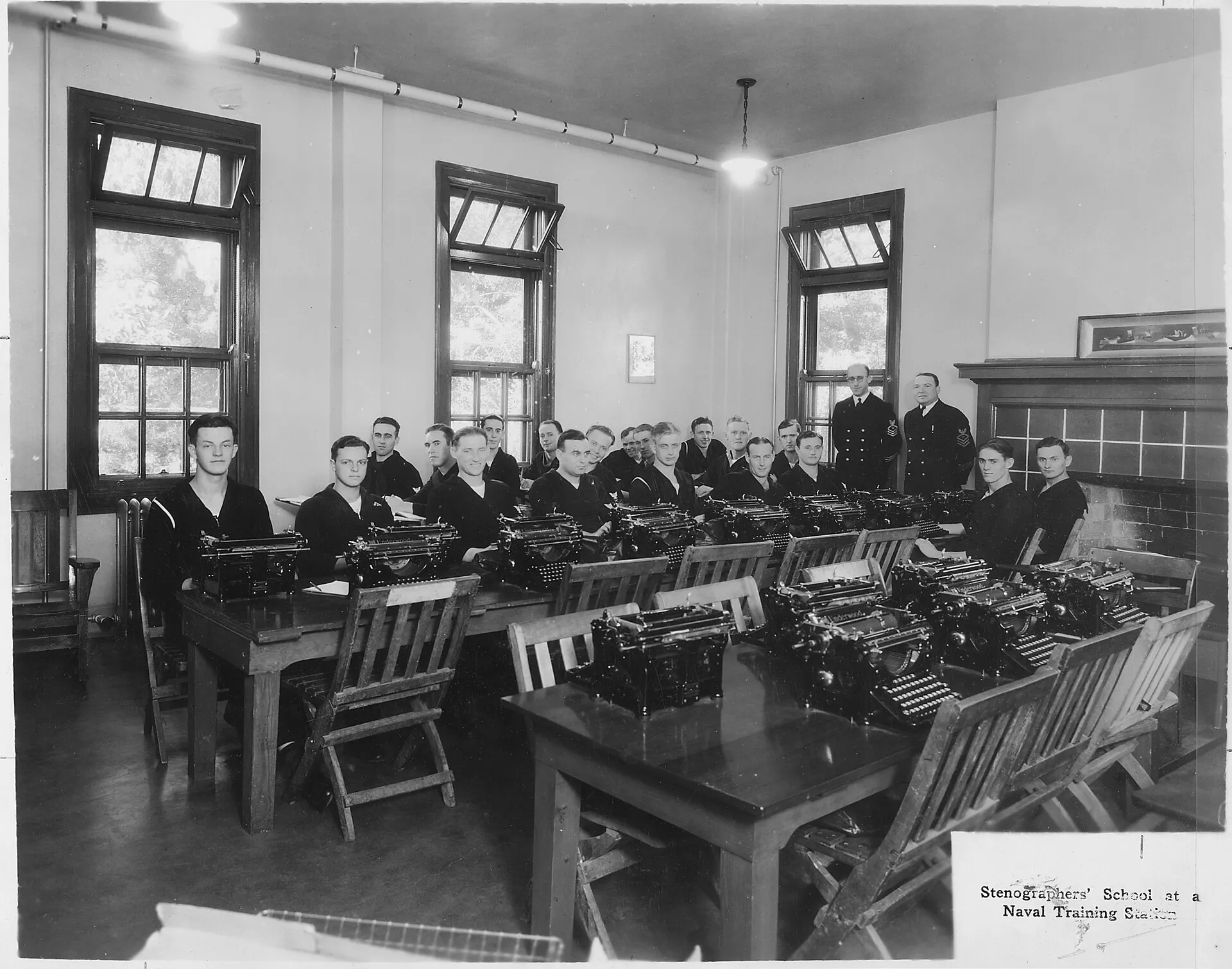
Rows of sailors seated at typewriters on long tables in a stenographers school
Stenographers school, naval training station
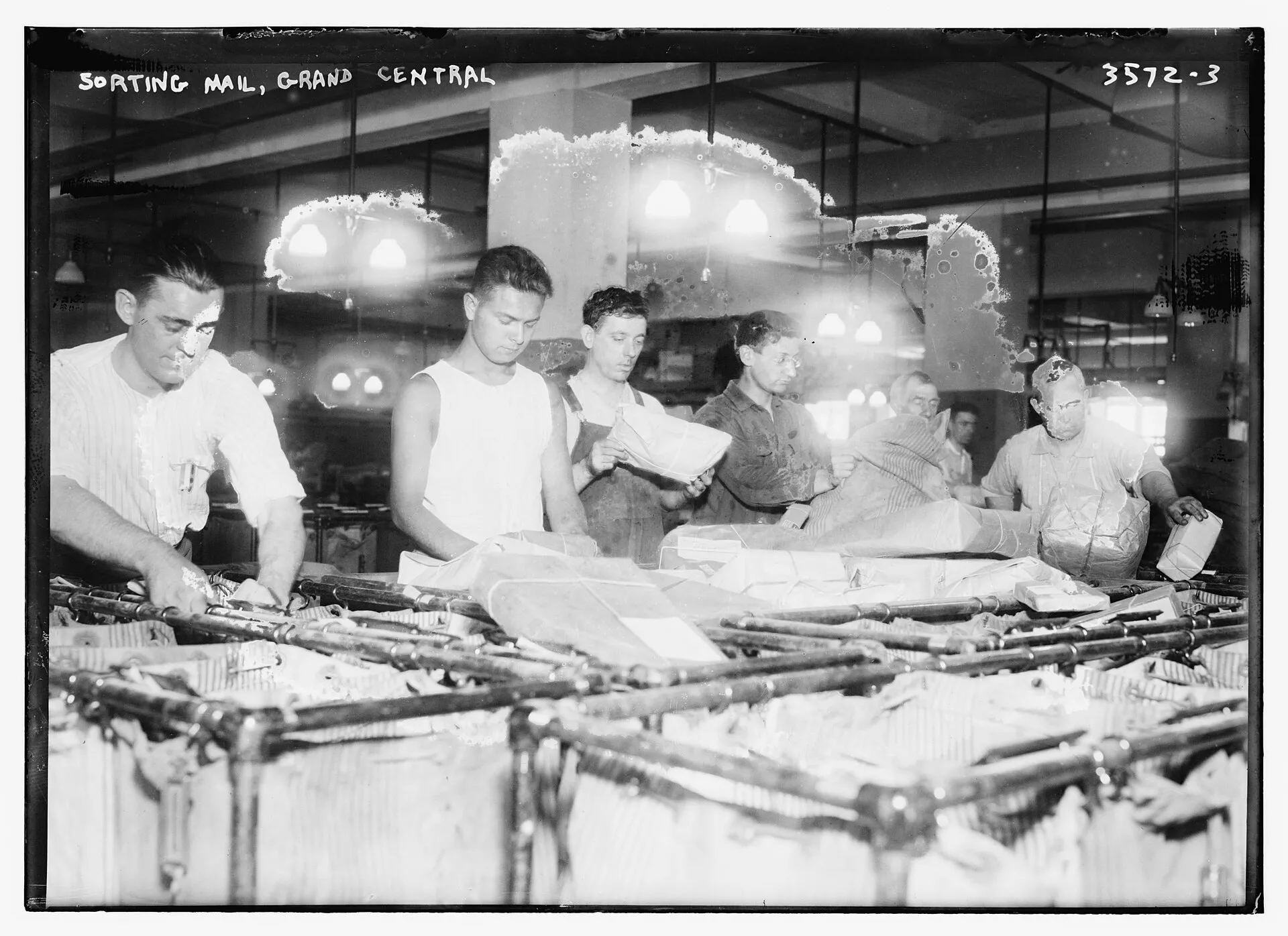
Postal clerks sorting letters by hand into racks at Grand Central, about 1910
Sorting mail, Grand Central, about 1910

AWS Select Tier Services Partner, with AWS engineering under every agent.

64-part field guide Published, with copyable artifacts.

A human on money Refunds, prices and purchase orders wait for a person.

Checked first Tested on real tickets before it goes live.

Five families of work

If the same tickets, reports or decisions repeat every week, an agent can usually take the first pass. Each family opens its own page; the build guides are linked from there.

Which agent first?

Customer support

The same WISMO, tracking, and returns questions every day. An agent looks up the order, answers from live data, and hands off the moment it is out of its depth.

Customer support agent
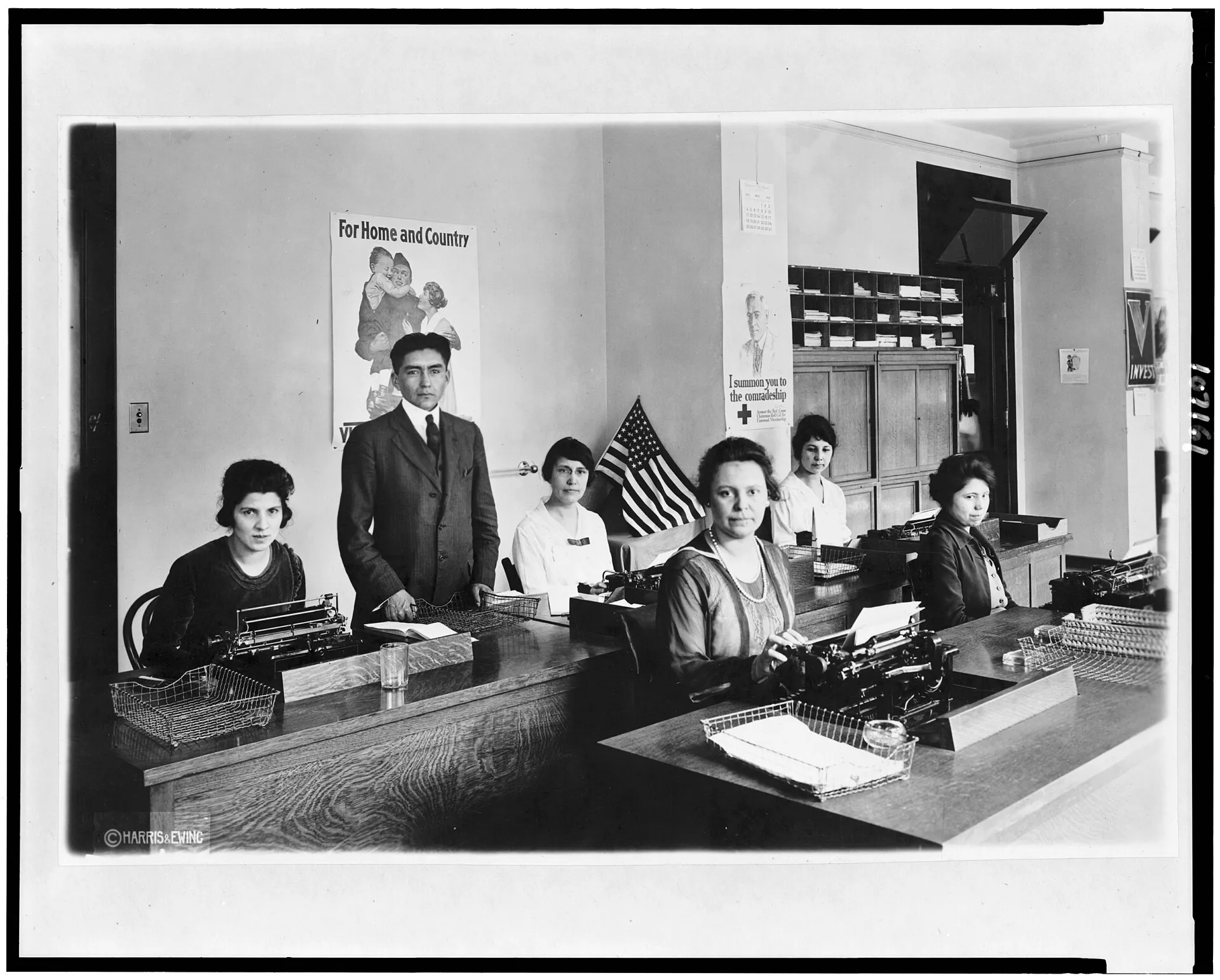
Stenographers at typewriters behind a long office counter, 1919
A stenographers office, 1919
  • Where is my order?
  • Tracking and delivery updates
  • Return and exchange rules
  • Policy questions
  • A handoff when it is out of its depth

Sales & B2B

A B2B AI sales agent that prepares quotes, reorders, and account answers from customer-specific price — not the public catalog. Sales still owns the relationship.

Sales & B2B agent
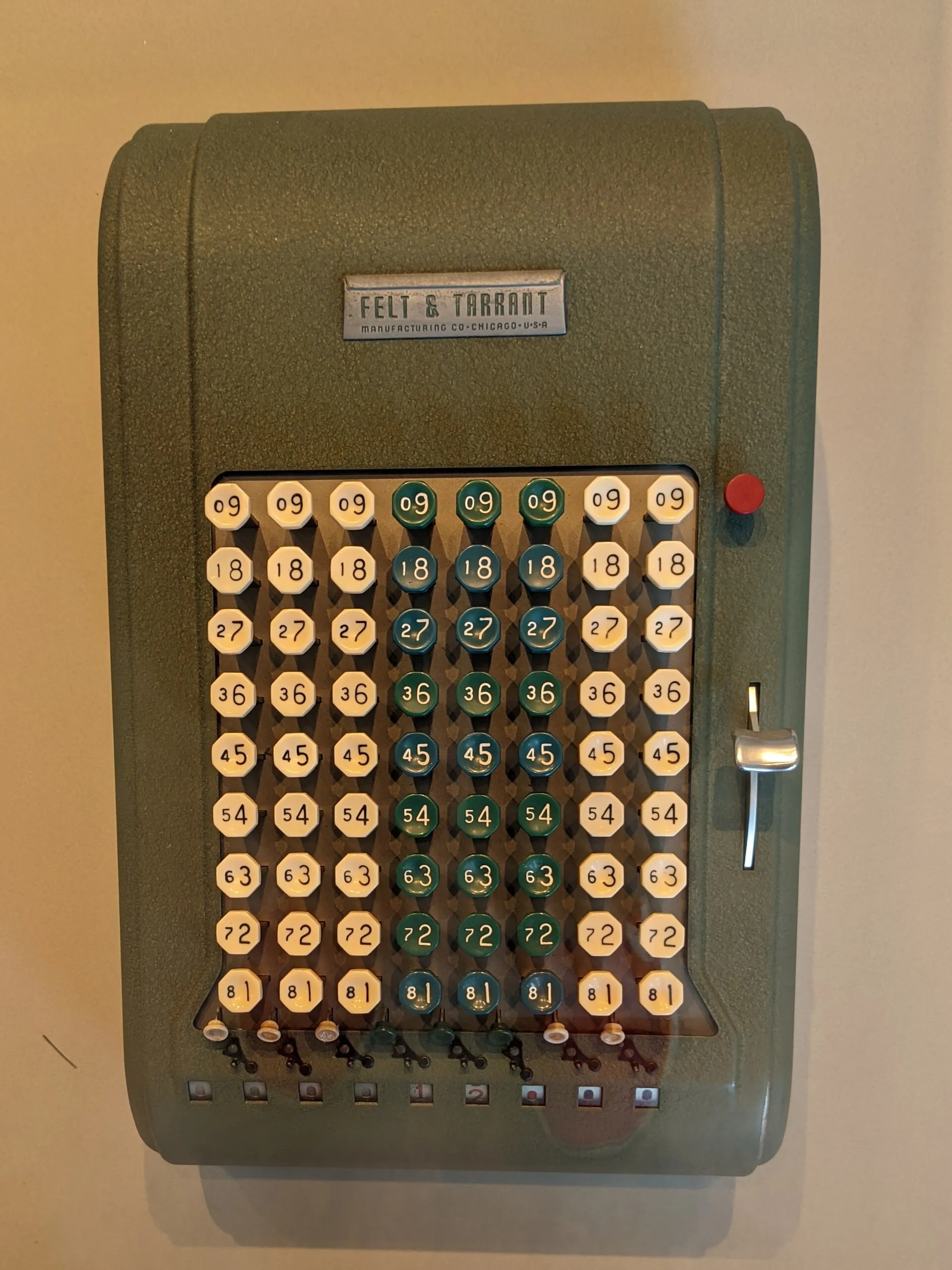
A green Felt & Tarrant Comptometer adding machine with columns of numbered keys
Comptometer adding machine
  • Quotes from contract price
  • Reorders for known accounts
  • Account and invoice answers
  • No number without a contract price
  • Sales still owns the relationship

Operations

The morning pile: exceptions, stalled orders, and the work nobody wants to triage. An agent ranks what needs a human today — it does not silently rewrite the warehouse.

Operations agent
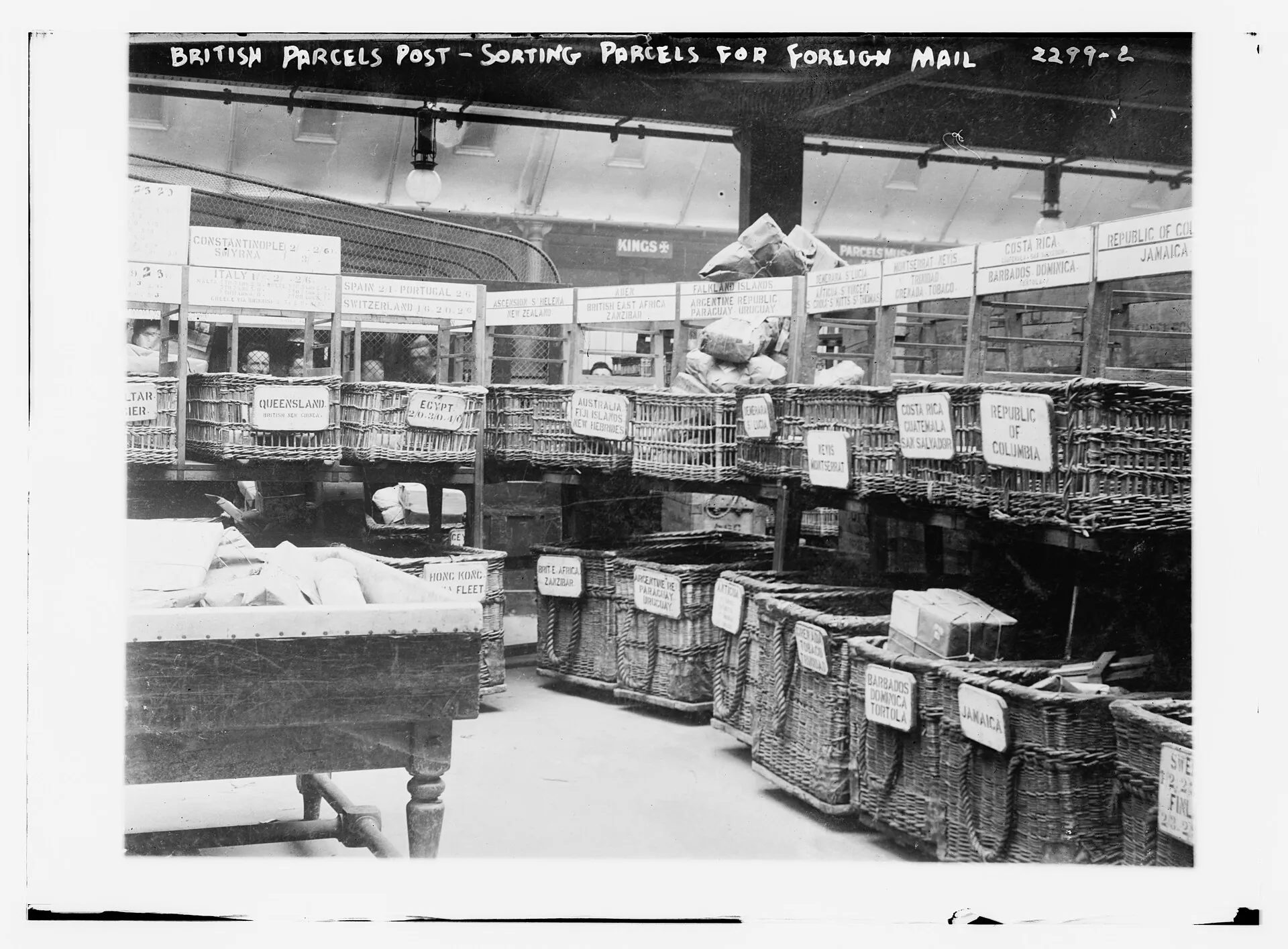
Wicker hampers of parcels labelled by destination in a sorting hall, 1910
Sorting parcels for foreign mail, 1910
  • Stalled orders
  • Exceptions from overnight
  • The morning triage list
  • Ranked for a person, not silently fixed

Inventory

What to reorder today, what is about to stock out, and what has quietly become dead stock — answered against live data, not last month's report.

Inventory agent
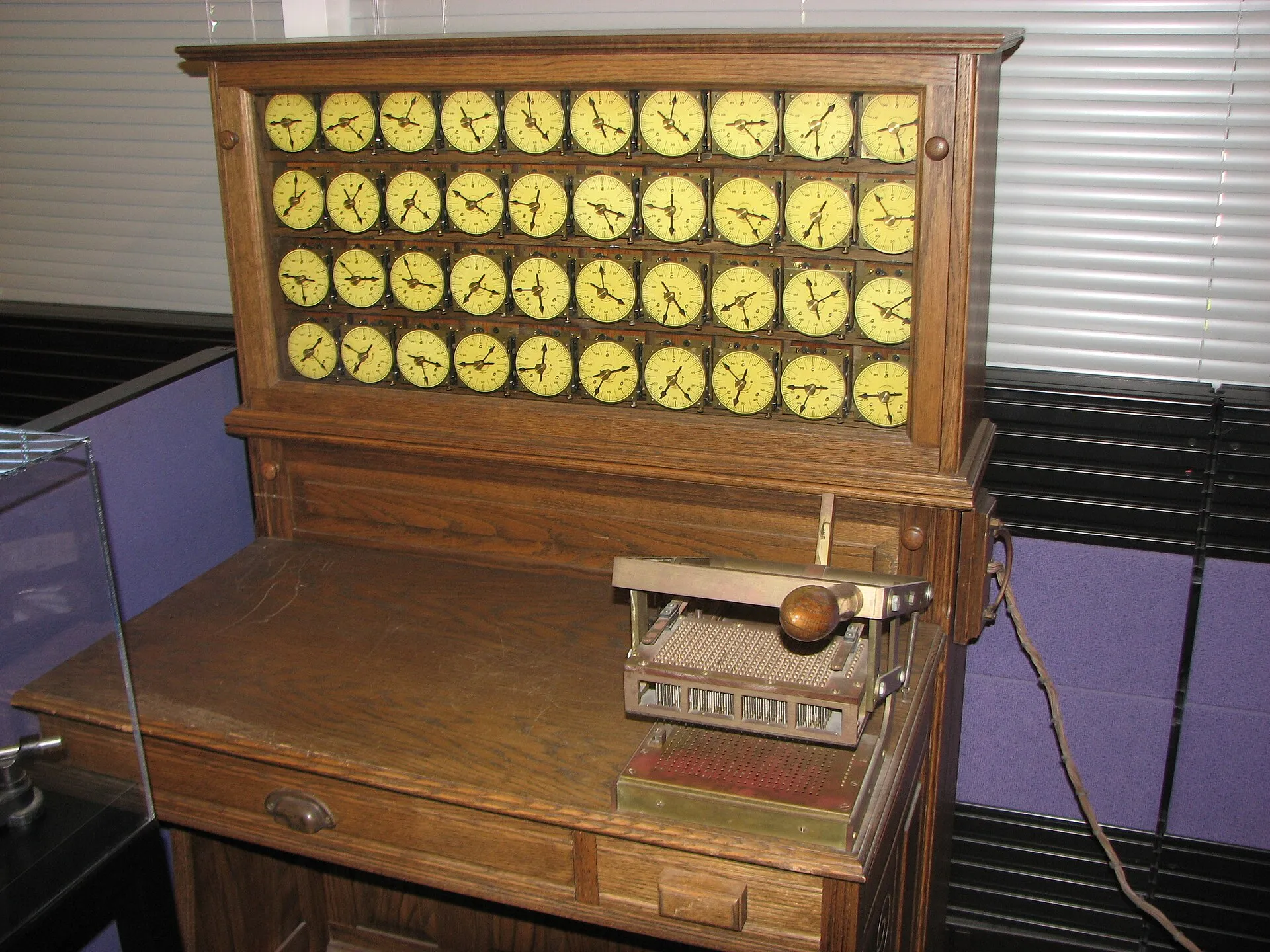
A Hollerith census tabulator: a wooden desk with a card press below four rows of counting dials
Hollerith census tabulator
  • What to reorder today
  • What is about to stock out
  • Dead stock nobody flagged
  • Live data, not last month’s report

Knowledge & catalog

If orders, customers, products, and inventory cannot be joined, an agent will guess. This is the data layer that makes every other agent honest.

Knowledge agent
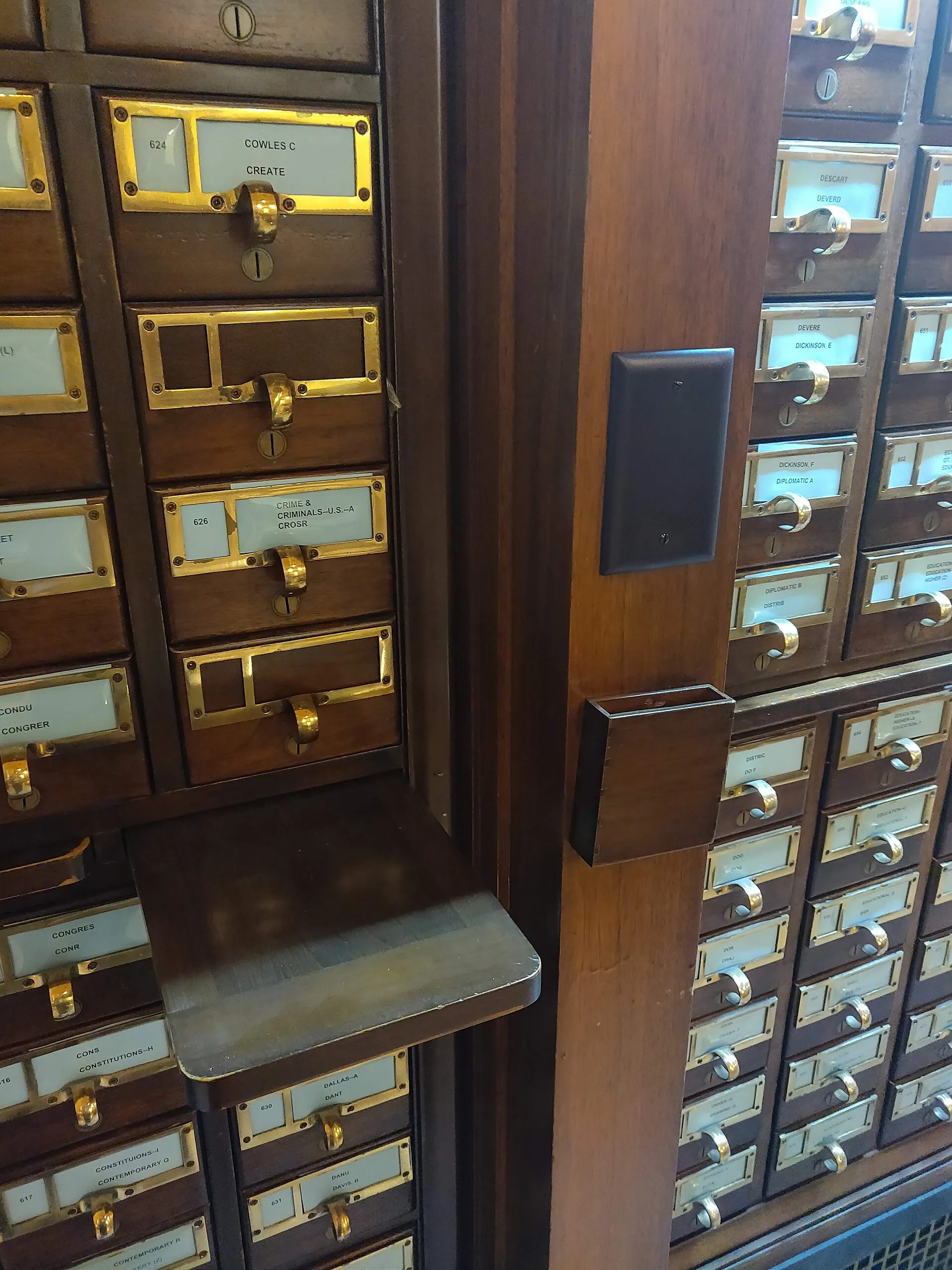
Wooden card-catalog drawers with brass label holders, one drawer pulled open
Card catalog drawers
  • Orders, customers, products and inventory, joined
  • One answer from live records
  • The layer the other four read from

Money waits for a person

An agent is a worker with tools and a stop button. It reads first, uses only the tools it is given, and anything that moves money waits for someone on your team. Pick a job to see who does it.

Agent vs chatbot

Jobs from a store

The agent does it

A read. The agent pulls the order and the carrier record, and writes nothing.

Illustrative jobs from a store, not a customer system.

One agent first

One agent in production beats five in a slide deck, so we ship in that order. If you are not ready, the readiness check says so.

Readiness

We check whether your data, systems and approval paths can support an agent at all: the failure that kills most agent projects before a model is even chosen.

Scope one agent

We pick the one workflow with the clearest owner and the cleanest data, define its tools and write limits, and agree the approval step before any code exists.

Ship with evals

Built on AWS, checked against real tickets, with a cost cap and a record of what it did. It goes live when it clears that bar, not when the sprint ends.

Expand the fleet

The next agent runs inside the same guardrails, then a supervisor layer coordinates them. Your team owns the infrastructure code and the runbooks when we leave.

Where we go deepest

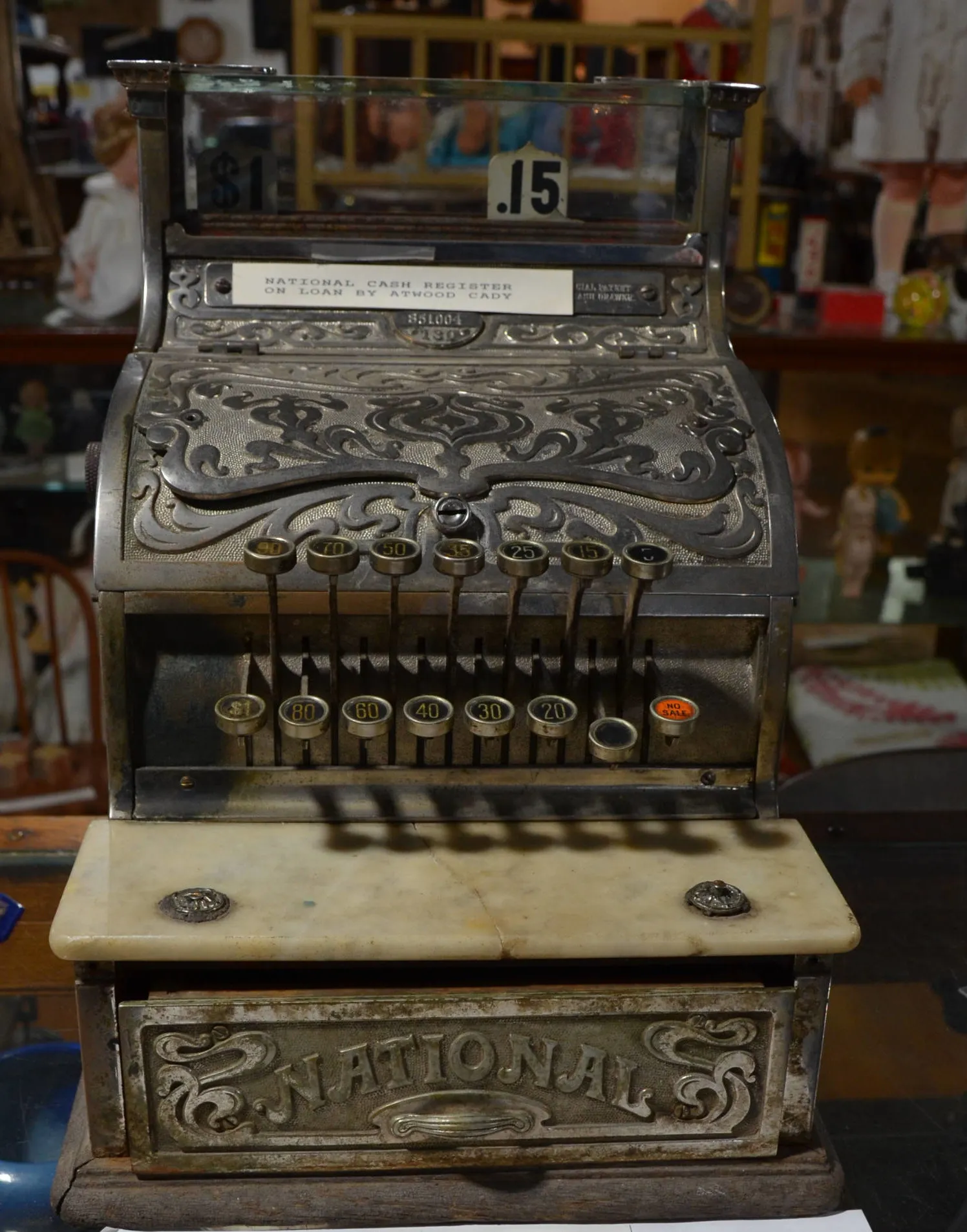
An ornate National Cash Register from 1913 with a marble counter and a fifteen-cent tab raised

Agentic commerce

Agents you run inside the store, and agents that buy from your catalog. ACP, UCP, and a catalog that survives a model’s comparison.

Open agentic commerce
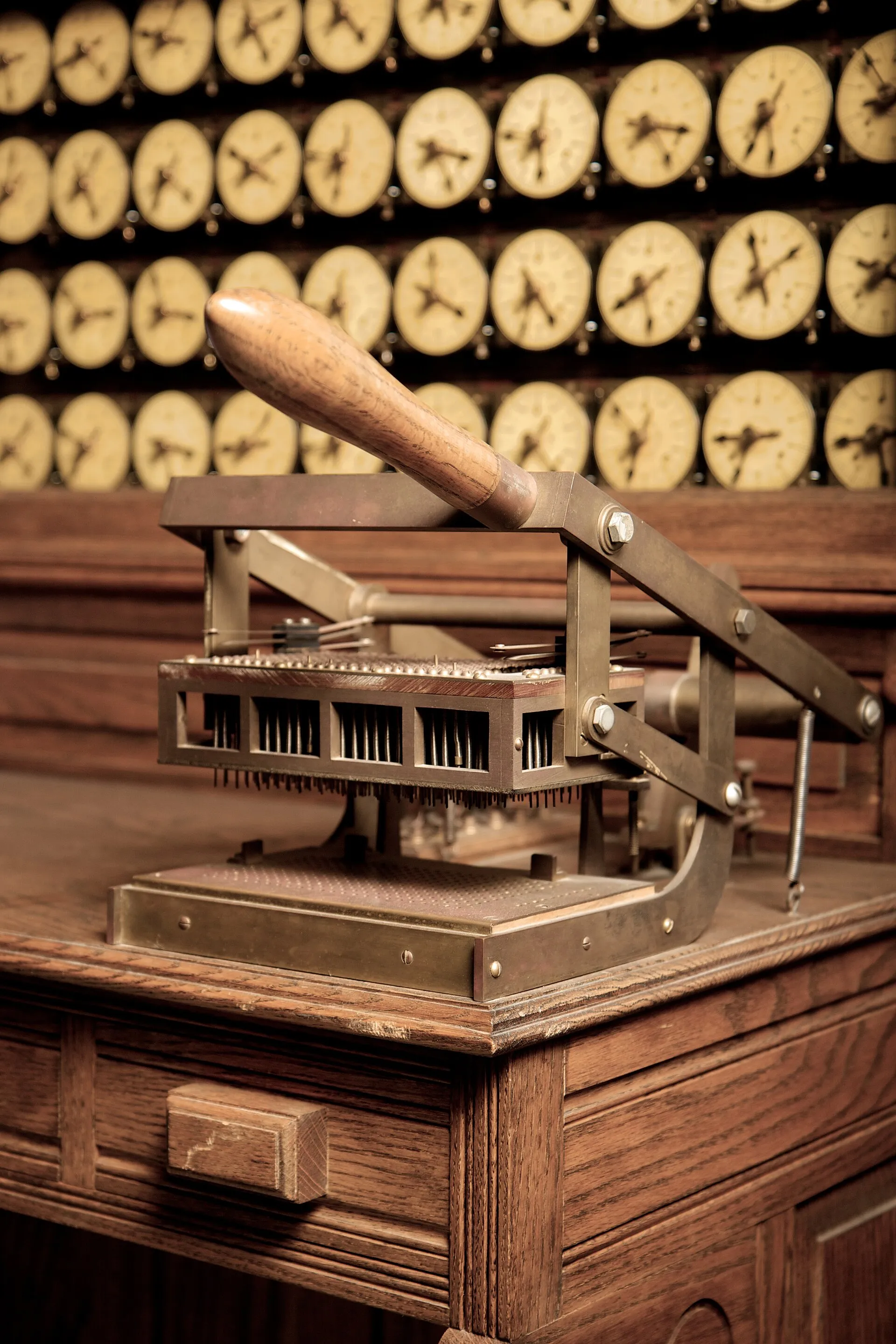
The punched-card press of a Hollerith census tabulator in front of rows of counting dials

The engagement

One agent, scoped to one job, then the next. Built on AWS. You keep the setup and the runbooks: one engagement, not a separate product for each team.

eCommerce AI Agents on AWS

How the AI agents hub stays bounded

Level 2, reference architecture. Risk medium. Oversight: monitored.

Point each family at one job, named tools, and a stop, before a fleet is discussed.

Starts when
A buyer opens the AI agents hub.
Tools
This page does not grant tools. A later build still needs a named catalog, and anything unlisted stays unreachable.
Stops for a person
The hub is not a promise that an agent is already running. Writes stay on the family page that owns them.
Checked by
There is no published agent case study. Proof is the field guide, the artifacts, and the calculators.
Untrusted data
Pages that collapse the hub, the blog category, and the field guide into one offer.
If it fails
Retry a timeout at most twice. Back off on rate limits. After repeated verification failure, escalate. Stop when the budget is exhausted or a permission is denied. No unbounded loop.

This is a reference architecture, not a published production deployment. The shared contract is the AWS store-agent architecture. Permissions and data boundaries are in securing store agents.

Read before you build

If you have not built one yet

Before you start

What is an AI agent, in business terms?
An AI agent is software that does a job a person already does — looking up an order, deciding what to reorder, drafting a B2B quote — by reading your systems, choosing the next step, and taking the action, with a human in the loop when money or customers are at risk. It is not a chatbot that only answers from a FAQ. If it cannot use your tools and cannot be stopped, it is not ready for production.
How is this different from a chatbot?
A chatbot replies. An agent acts: it looks up records, chooses a next step, and uses tools you have allowed. Chatbots fail when the answer is not in a script. Agents fail when they can write to systems they should not touch. That is why we put a tool catalog, write boundaries, and a human approval gate on anything that moves money — before the model is the conversation. The evaluation table is https://www.bravelo.co/compare/ai-agent-vs-chatbot/.
Which work should we automate first?
The workflow with a clear owner, clean data behind it, and a decision a human already makes the same way every time. In practice that is often customer support and WISMO. We publish the scoring method — volume, data readiness, blast radius if it is wrong, and effort — so you can run it before talking to us. If the data cannot be joined, start with the knowledge layer, not a flashy agent.
Do we need to know AWS — or already have AI — to start?
No. The first conversation is about the work: which tickets, reports, or decisions repeat every week, who owns them, and what happens if the answer is wrong. AWS matters because that is where production agents (and the rest of your stack) usually run, and we are an AWS Select Tier Services Partner. You do not need to speak Bedrock to get a useful recommendation.
Do you have case studies of AI agents in production?
Not yet, and we would rather say so than dress up something adjacent. What is public today is a multi-part field guide with copyable artifacts, free readiness and pricing tools, and AWS delivery work (security, GenAI, HIPAA) that is not the same as a production commerce agent. Judge the thinking on work you can read. We will not invent a customer story to close a call.
What is the difference between this hub, Agentic Commerce, and the field guide?
This hub is the commercial door: which work an agent can take on, how we implement, and how to start. Agentic Commerce is the eCommerce offer — agents you run plus agents that buy from your catalog. The field guide is the library: part-by-part build notes. The blog category “AI Agents” is every related post. None of those URLs redirects to another. The engagement you buy is still eCommerce AI Agents on AWS.
How do you stop an agent from doing something expensive or wrong?
Four controls, in this order. A tool catalog that defines exactly which actions the agent can take. Authorization on every write, so mutating an order or a price is a permission decision rather than a prompt decision. A human approval gate on anything that moves money. And an eval suite with a golden dataset and a pass bar the agent has to clear before it goes live.

Start with what repeats

Tell us the repetitive work that is eating the week. We will say whether an agent is the right move, and if it is not, we will say that too.

Talk to an AI architect

Pictures:Stenographers School at a Naval Training Station (public domain); Sorting Mail, Grand Central, Bain News Service, publisher (public domain); Indian stenographers, Miscellaneous Items in High Demand, PPOC, Library of Congress (public domain); Addiermaschine Comptometer Model M, Thomas Vogt from Paderborn, Deutschland (CC BY 2.0); British Parcels Post-sorting parcels for foreign mail, Bain News Service, publisher (public domain); The Hollerith census tabulator, Erik Pitti from San Diego, CA, USA (CC BY 2.0); Card catalog at the Indiana State Library - cabinet exterior, TBurmeister (WMF) (CC BY-SA 4.0); Cash register made by the National Cash Register company, 1913 (public domain); Hollerith card reader closeup, Marcin Wichary (CC BY 2.0). Via Wikimedia Commons.